Travel Guide
Last checked: October 2026.
Published by Misasa, a one-party-a-day auberge in Kyonan at the foot of the mountain.
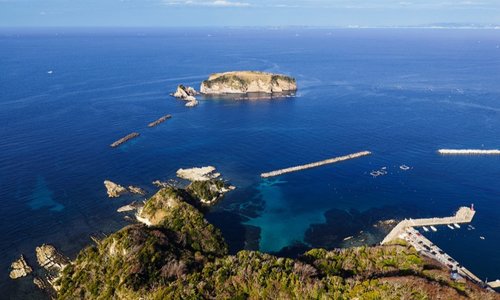
Mt. Nokogiri (鋸山, Nokogiriyama, "Saw Mountain") rises 329.5 m straight out of Tokyo Bay on the Boso Peninsula, about two hours from central Tokyo. Centuries of stone quarrying gave the ridge its jagged, saw-tooth skyline and left behind sheer rock walls that look like the set of an anime film. On the Kyonan side of the mountain lies Nihonji, a temple founded in 725 with Japan's largest rock-carved seated Buddha, a 30 m Kannon cut into a quarry face, 1,500 stone arhats and the famous Jigoku Nozoki ("Hell Peek"), a slab of rock jutting out over a 100 m drop.
This guide covers everything you need for a day trip or an overnight stay: how to get to Mt. Nokogiri from Tokyo by train, ferry or car, the ropeway versus the hiking trails, Nihonji's hours and fees, the five entrance gates, English-speaking guides, what to see on the Kyonan coast below the mountain, the best seasons and sunset spots, and answers to the questions visitors ask most. Prices and hours were checked in October 2026 and may change, so confirm on the official sites linked below before you travel.
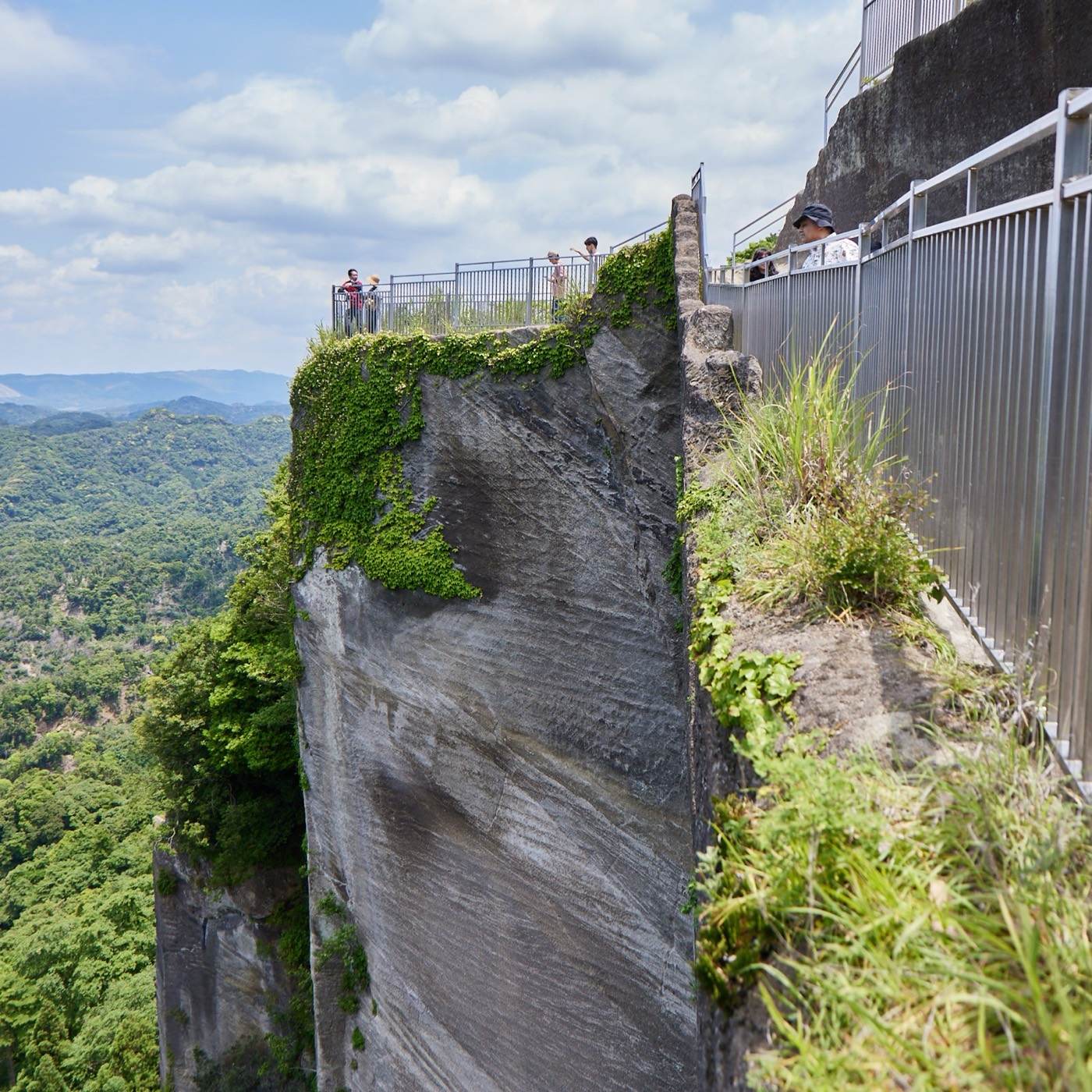
The signature sight of Nokogiriyama. A natural rock ledge projects from the summit area of Nihonji over a near-vertical drop of about 100 m. A railing lets you stand right at the tip and look down the cliff and out across Tokyo Bay to the Miura Peninsula and, on clear winter days, Mt. Fuji. From the West Gate it is a 3-minute slope and then 4 to 5 minutes of steep stone stairs. The best photo of the ledge is taken from the opposite rock a few steps away. Expect a queue for that photo on weekends and holidays.
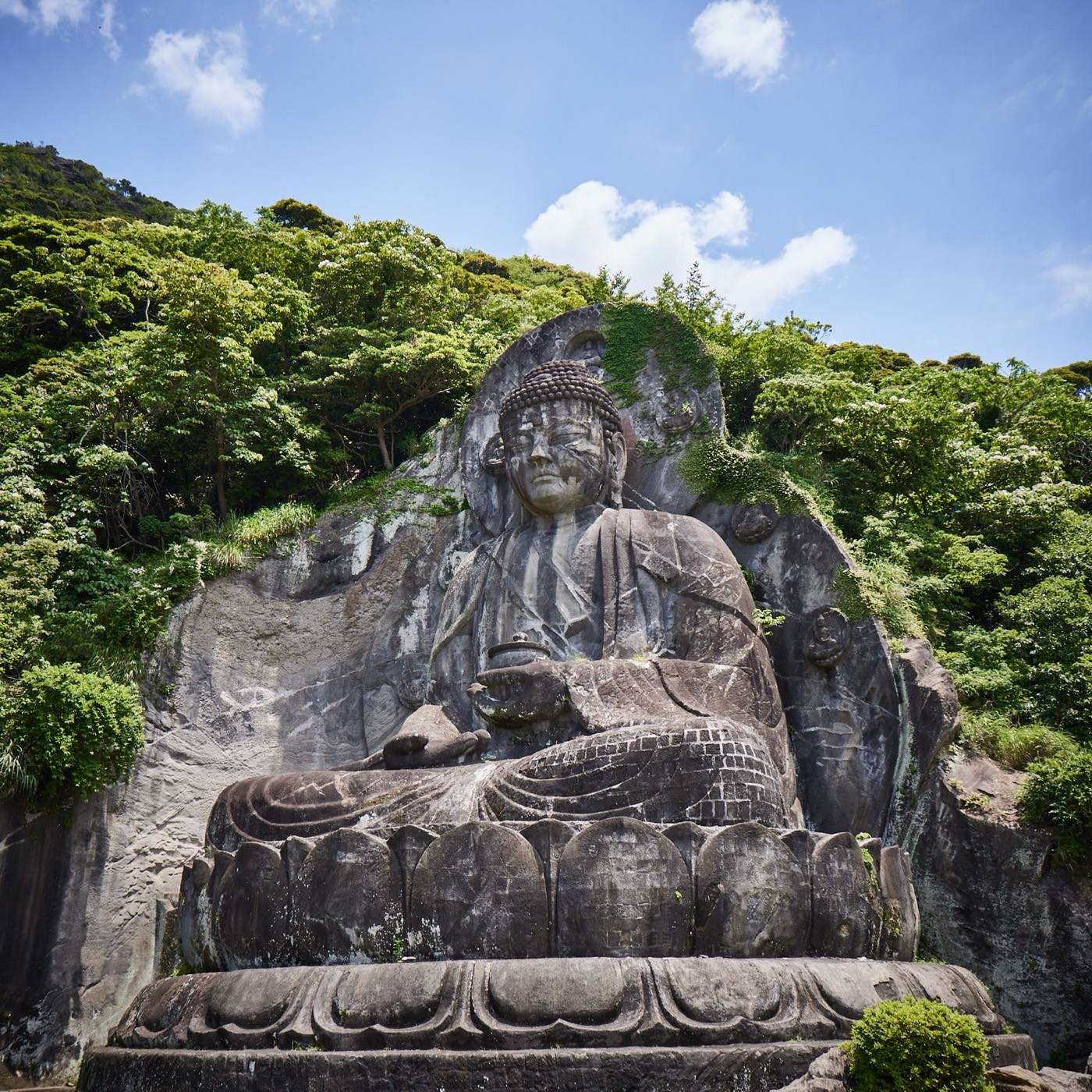
At 31.05 m tall (21.3 m seated height) this is the largest rock-carved seated Buddha in Japan, roughly twice the height of the famous bronze Buddhas of Nara (14.98 m) and Kamakura (13.35 m). It was carved from the cliff in 1783 by the master mason Ono Jingoro and 27 apprentices over three years, and restored between 1966 and 1969. Small "wish Jizo" statues, left by visitors, surround the base. The Buddha plaza is the only part of the temple reachable without stairs (via the Daibutsu Gate).
A 30 m image of the Goddess of Mercy carved between 1960 and 1966 into the face of an old quarry near the summit, as a memorial to those who died in the Second World War and in traffic accidents, and as a guardian of travellers by sea, air and land. Standing at the foot of the sheer quarry walls and looking up is one of the most dramatic moments of the visit.
Scattered along the forested paths between the summit and the Buddha are 1,553 stone statues of arhats, disciples of the Buddha, carved between 1779 and 1798 by the same Ono Jingoro and his apprentices. Each face is different. Many were beheaded during the anti-Buddhist movement of the early Meiji era and later repaired, which gives the mossy groves a haunting atmosphere.
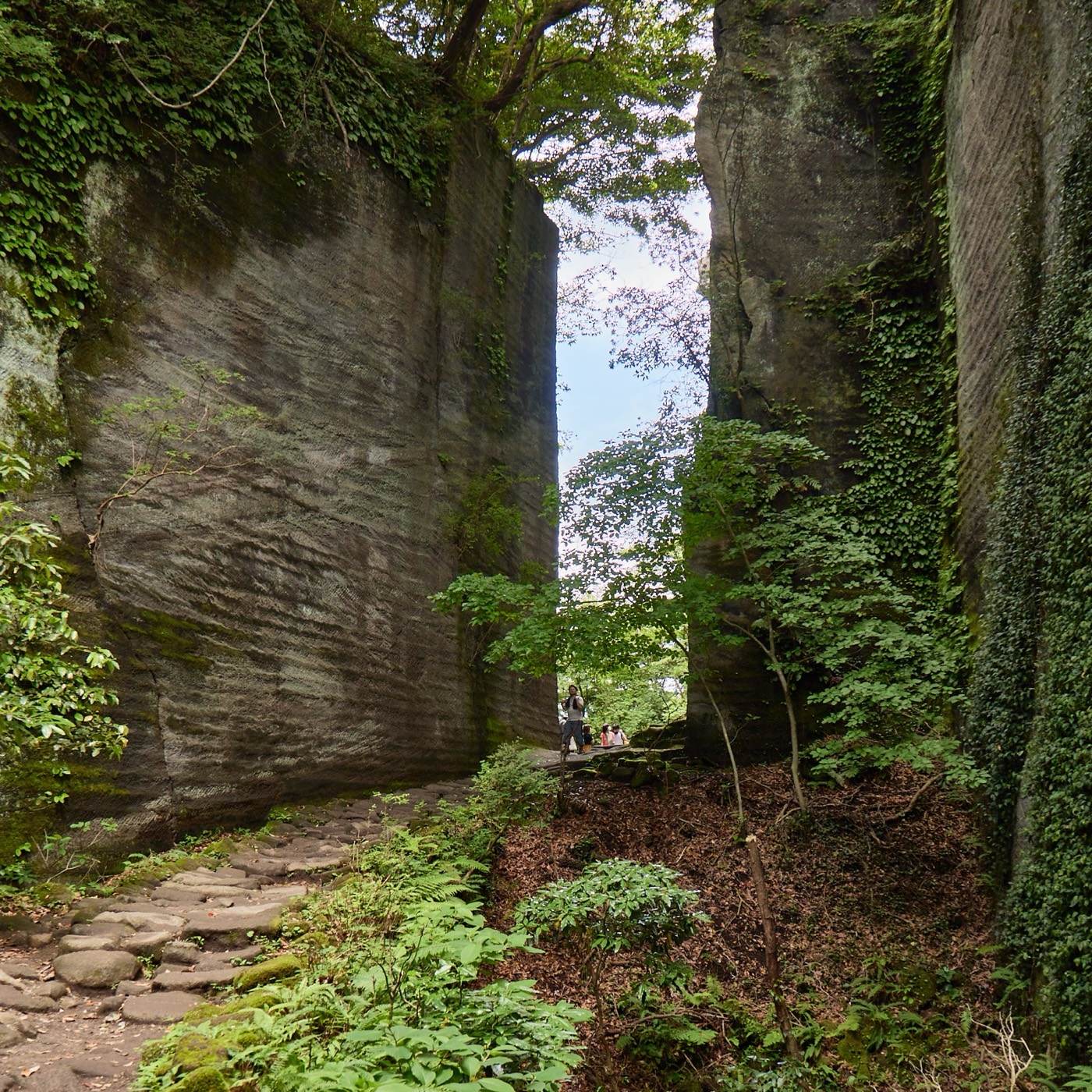
On the Futtsu (north) side of the ridge, the Shariki-michi trail leads to the abandoned quarries where Boshu stone was cut from the Edo period until 1985. The tallest face, nicknamed the Laputa Wall after the 1986 Studio Ghibli film, drops about 96 m. Nearby are the "stage" where cutting machinery once stood, cave-like cuttings, a cat carved into the rock with a heart-shaped window, and cart-wheel ruts worn into the old paved road. Boshu stone from this mountain was used for the harbour works at Yokohama, the forts and Odaiba batteries in Tokyo Bay and the walls of Yasukuni Shrine.
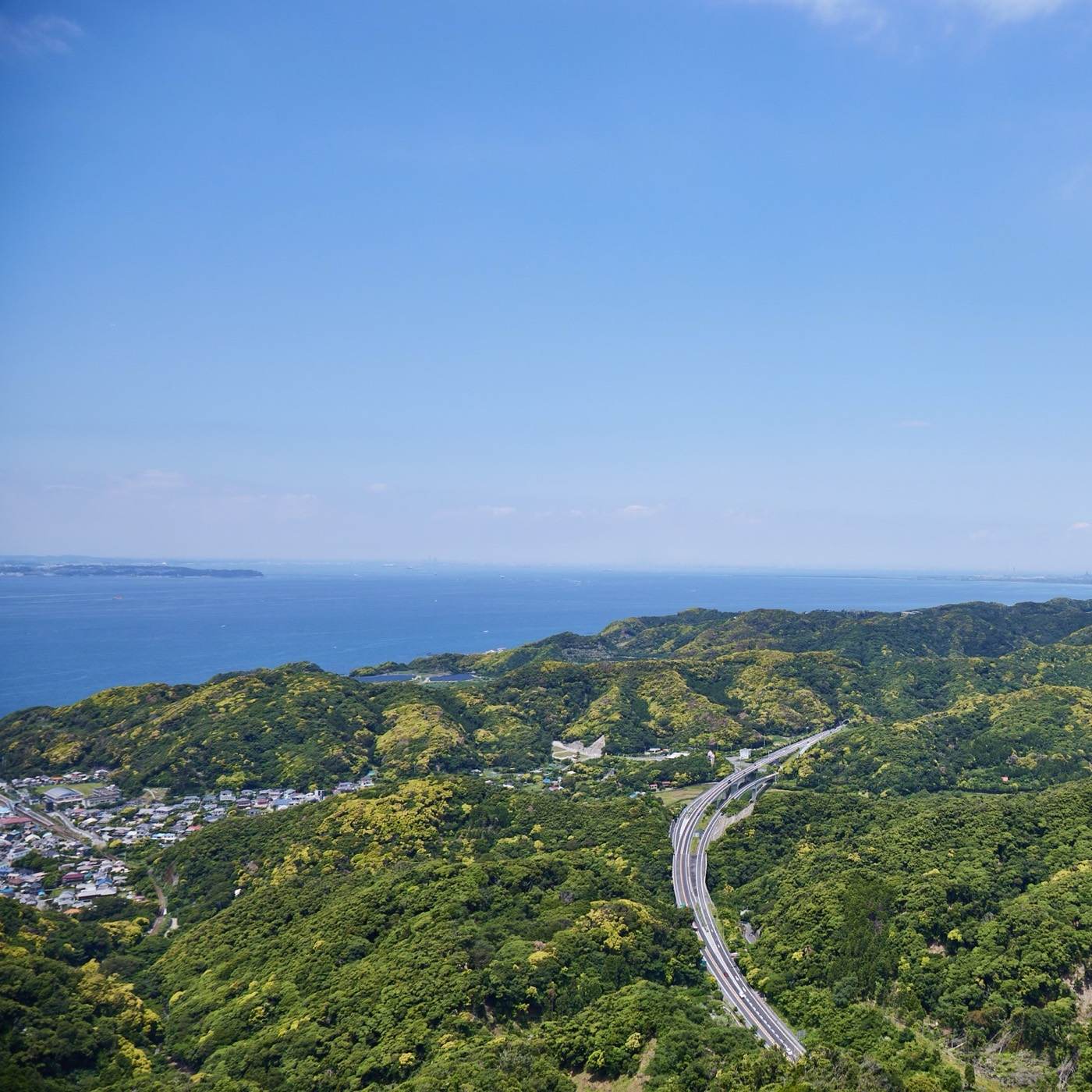
The ropeway's upper station has an observation deck, the Jusshu Ichiran-dai ("ten provinces in one view") lookout, telescopes and a small quarry exhibit. On a clear day you can see Mt. Fuji, the Miura Peninsula and even Tokyo Skytree. Note that the quarry remains are a 30-minute walk each way from the upper station.
Mt. Nokogiri is one of the easiest "real mountains" to reach from Tokyo without a car. Two stations serve it: Hamakanaya (JR Uchibo Line, Futtsu side, 8 minutes' walk to the ropeway) and Hota (Kyonan side, foot of the temple's old pilgrim route). The inns of Kyonan town are at Hota and the next station, Awa-Katsuyama.
| Route | Time from central Tokyo | Cost (adult, one way) | Notes |
|---|---|---|---|
| JR train Tokyo → Chiba/Kimitsu → Uchibo Line → Hamakanaya or Hota | about 2 h 15 min | about ¥2,100 | Change at Chiba or Kimitsu. The limited express Shinjuku Sazanami runs direct from Shinjuku to Hamakanaya on weekends and holidays (all seats reserved). |
| Keikyu + Tokyo-Wan Ferry Shinagawa → Keikyu-Kurihama → bus to Kurihama port → ferry to Kanaya port | about 2 h | about ¥1,100 (Keikyu) + ¥1,100 ferry (¥2,000 return) | The 40-minute crossing is a highlight in itself, with views of the saw-tooth ridge from the water. Kanaya port is 12 to 15 minutes on foot from the ropeway. Fares valid from July 2025; services stop in high wind. |
| Car via the Tokyo Bay Aqua-Line and Tateyama Expressway | about 1.5 h (longer on weekend mornings) | tolls + parking | Ropeway: 5 min from Futtsu-Kanaya IC. Nihonji East Gate (free car park) and Kyonan: Kyonan-Hota IC. Car parks fill on sunny weekends and during the cherry blossom season. |
| Highway bus Tokyo Station (Yaesu) or Shinjuku → Highway Oasis Furari (Minamiboso) | about 1.5 h | about ¥2,700 to ¥2,800 | Furari is a 10-minute taxi ride from the Kyonan inns; most inns in the Kinokuniya group offer a pick-up from Furari or the stations by prior reservation. |
From Narita Airport take the Narita Express to Chiba and continue on the Uchibo Line (about 2 h). From Haneda Airport a Keikyu bus runs to Kimitsu, then 30 minutes by JR.
A 2.6 km private toll road climbs from the Kyonan side to a car park at the West Gate, a few minutes from Jigoku Nozoki. The fee is about ¥1,000 per car (check before you go; there is no official website), the gate closes at 16:30 and the summit car park at 16:00, and motorcycles are not admitted. The free alternative is the Nokogiriyama Kanko-doro, a public road to the East Gate car park (50 cars, free), from which the Great Buddha is 2 to 3 minutes up a flight of stairs. Drivers who want to see everything with minimal walking enter at the West Gate for Hell Peek, drive down and re-enter at the East Gate for the Buddha (same-day re-entry with your ticket is allowed).
| Trail | Time | Character |
|---|---|---|
| Shariki-michi (the old stone-cart road) from Hamakanaya to the quarry remains and Tokyo Bay viewpoint | about 1 h up | Gentle old paving with cart ruts, then a steep final staircase. The quarry walls and the viewpoint are the reward; the actual summit 10 minutes beyond is plain. Side trip to the carved cat (5 min). |
| Kangetsudai course from Hamakanaya | about 1 h up | Stair-heavy, with the Kangetsudai lookout halfway. One restroom on the way. |
| Kanto Fureai no Michi #26 "Tokyo Bay View Trail" Hamakanaya → Kangetsudai (30 min) → quarry (35 min) → viewpoint (35 min) → summit (20 min) → forest road (50 min) → Hota Station (90 min) | 8.4 km, about 4 h 20 min | The prefecture rates it "for strong walkers". Steep between Kangetsudai and the viewpoint; the descent to Hota is long but gentle. The paid temple area is not on this route. |
| Hamakanaya → Nihonji direct | about 1 h | Forest path without maintained stairs, straight to the temple's North Gate. |
| Kyonan Panorama Course Hamakanaya → ropeway → Kannon → Hell Peek → arhats → Great Buddha → Hota Station | 10 km, about 2 h 30 min | The town's recommended route: ride up, walk the whole temple from top to bottom and finish on the Kyonan coast. |
Trail tips: the worn stone paving is slippery when wet, so wear closed shoes with grip. There is no water on the trails and the only toilets are at the stations, inside the temple and one on the Kangetsudai course. The ridge is exposed, so bring a hat and water in summer and a windproof layer in winter. Snow is rare, and Chiba is the only prefecture on Honshu with no bears.
The temple grounds cover about 33 hectares of hillside, so which gate you use matters:
| Gate | Best for | What's nearby |
|---|---|---|
| West Gate (summit) | Ropeway and toll-road visitors | Jigoku Nozoki (3 min slope + 4 to 5 min stairs), Hyakushaku Kannon (1 min) |
| North Gate | Hikers from Hamakanaya, ropeway (11 min walk) | Hyakushaku Kannon, start of the arhat paths |
| Daibutsu Gate (toll-road middle car park) | Wheelchairs, strollers, anyone avoiding stairs | The only step-free path to the Great Buddha plaza (280 cm wide, max 10° slope, accessible toilet) |
| East Gate (free public car park, 50 cars) | Drivers who don't want the toll road | Great Buddha 2 to 3 minutes up the stairs |
| Omotesando (Hota side) | Pilgrims on foot from Hota Station (about 30 min to the trailhead) | The historic stone-step approach. Sections have been closed by rockfall in recent years, so check the temple's notices before planning this route. |
The commonly quoted figure of 2,639 steps is not an official count, but the temple is a mountain of stone stairs. The Daibutsu plaza is the only flat, step-free area, and the temple describes wheelchair access as "with assistance". The 1321 temple bell is a National Important Cultural Property and the mountain with its arhats is a prefectural scenic site.
WeGuide NOKOGIRIYAMA is the local guide association (Nokogiriyama Guide Center, founded in 2024) of certified mountain guides who run tours in Japanese and English. The quarry remains, the carved cat, the history of Boshu stone and the stories behind the arhats are far richer with a guide, and the trails through the old quarries are easier to follow. Their English programmes include a 3.5-hour "A World That Feels Like Ancient Ruins" quarry walk, a 3-hour "Perfect One-Day Course" combining the quarries and Nihonji via the ropeway, and a 4 to 5-hour walk along the official Edo-period pilgrimage route. Prices start from around ¥15,500 per person with group rates for parties of up to 8 to 12, and bookings are made through their website (also listed on Viator, Kkday, aini and Activity Japan). Optional cultural add-ons include ukiyo-e woodblock printing in Kyonan and sutra copying at a temple in Kanaya.
Hamakanaya Station → ropeway up → Jusshu Ichiran-dai lookout → West Gate → Hyakushaku Kannon → Jigoku Nozoki → arhat paths → Great Buddha → East Gate or back up to the ropeway. Lunch on fresh fish at Kanaya port or at Banya on the Hota side.
Walk up the Shariki-michi from Hamakanaya to the Laputa Wall and the Tokyo Bay viewpoint (about 1 hour), continue to the temple's North Gate, see the Kannon, Hell Peek, the arhats and the Great Buddha, then descend the Kyonan side to Hota Station via the Panorama Course or take the ropeway down. Consider a guided tour for the quarry section.
Mt. Nokogiri closes early (last temple entry 15:00, ropeway last descent 17:00 or 16:00 in winter), which is exactly why an overnight stay works so well. Spend the morning and early afternoon on the mountain, come down to the Kyonan coast for a late lunch at Banya or the old Hota Elementary School, soak in an onsen, watch the sun set into Tokyo Bay beside Mt. Fuji from the beach, and in the morning take the Tokyo-Wan Ferry across to Kurihama for a different route home. In winter add the daffodil roads; in late February and March add the Yoritomo cherry blossoms.
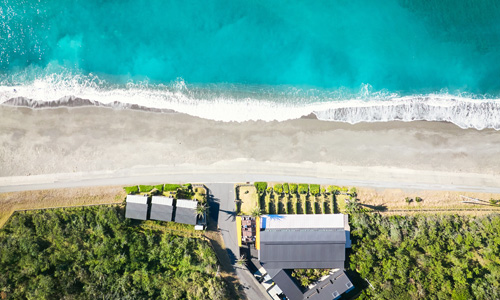
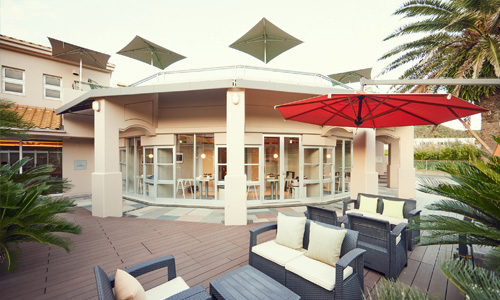
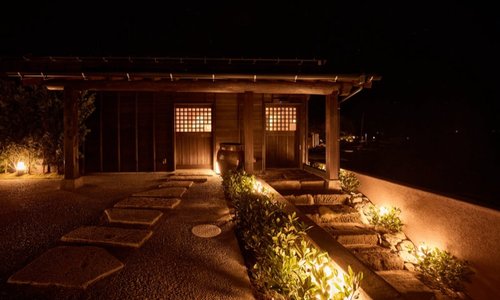
Misasa is an auberge on the Kyonan coast that welcomes just one party a day. It stands 10 minutes on foot from JR Awa-Katsuyama Station, the next station after Hota on the Uchibo Line, and about 20 minutes by car from the Nokogiriyama Ropeway. By car it is about 90 minutes from Tokyo via Kyonan-Hota IC, and there is a garage you can drive straight into. Pick-up from the station or the Highway Oasis Furari bus stop is available after 14:30 by prior reservation.
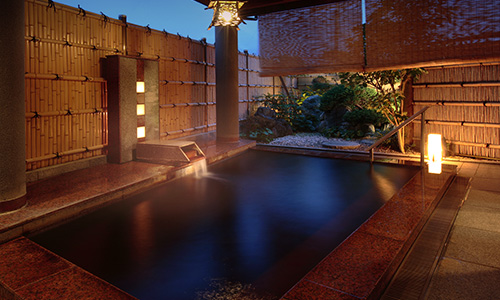
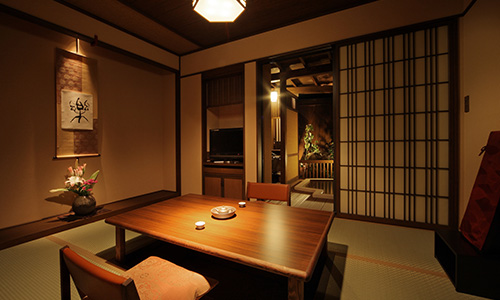
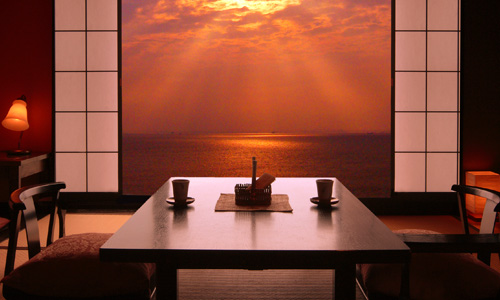
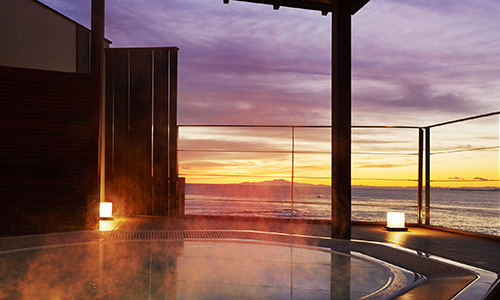
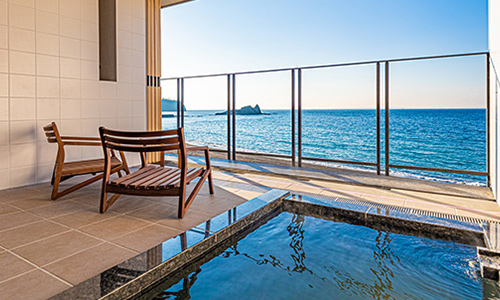
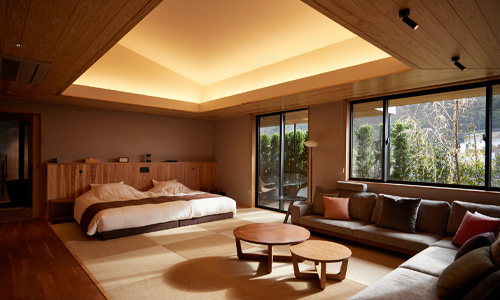
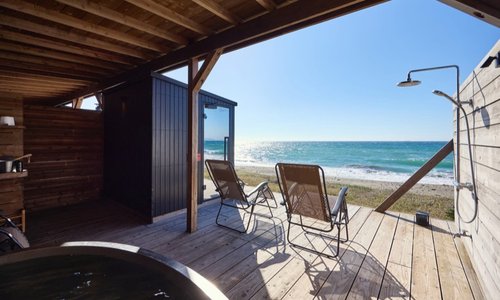
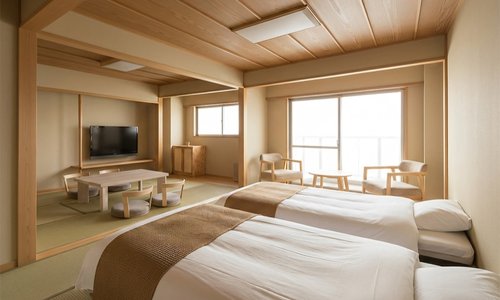
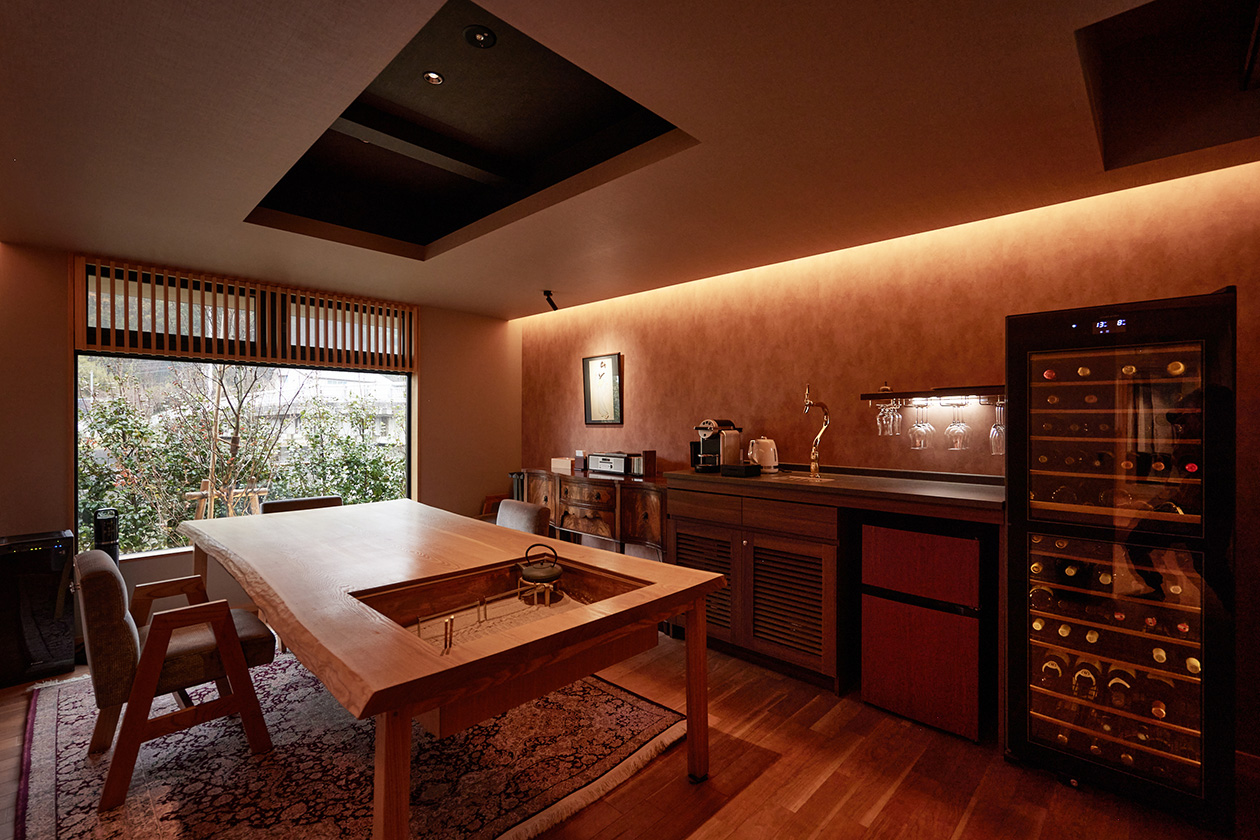
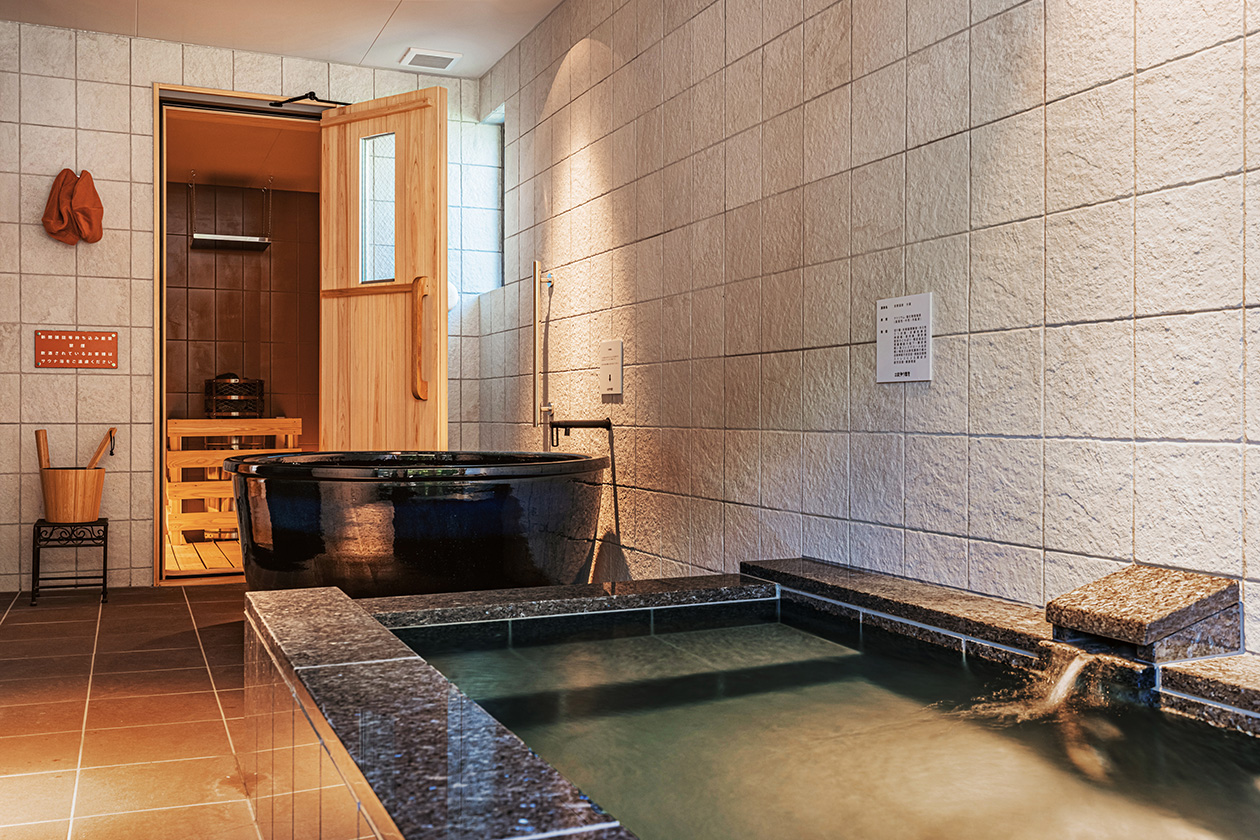
The whole house, 191 m² in total with 153 m² of living space, is yours: an irori dining room where your dedicated butler grills the day's local catch, Chiba beef and produce from the hills over charcoal in front of you, a semi-open-air bath of natural hot spring water, a proper sauna with löyly and a cold bath of natural water, a covered terrace by the river for cooling off, and an upstairs ocean-view room facing the sunset over Katsuyama beach. Breakfast is kamado-cooked Nagasa rice with small dishes and fish grilled at the hearth.
It suits couples and small families who want the mountain by day and complete privacy by night: 2–4 guests (two adults plus up to two children). Check-in is 15:00 to 18:00 at the front desk of Sazane, our sister inn directly across the street, and check-out is 11:00. Misasa is one of the inns of the Kinokuniya Group in Kyonan.

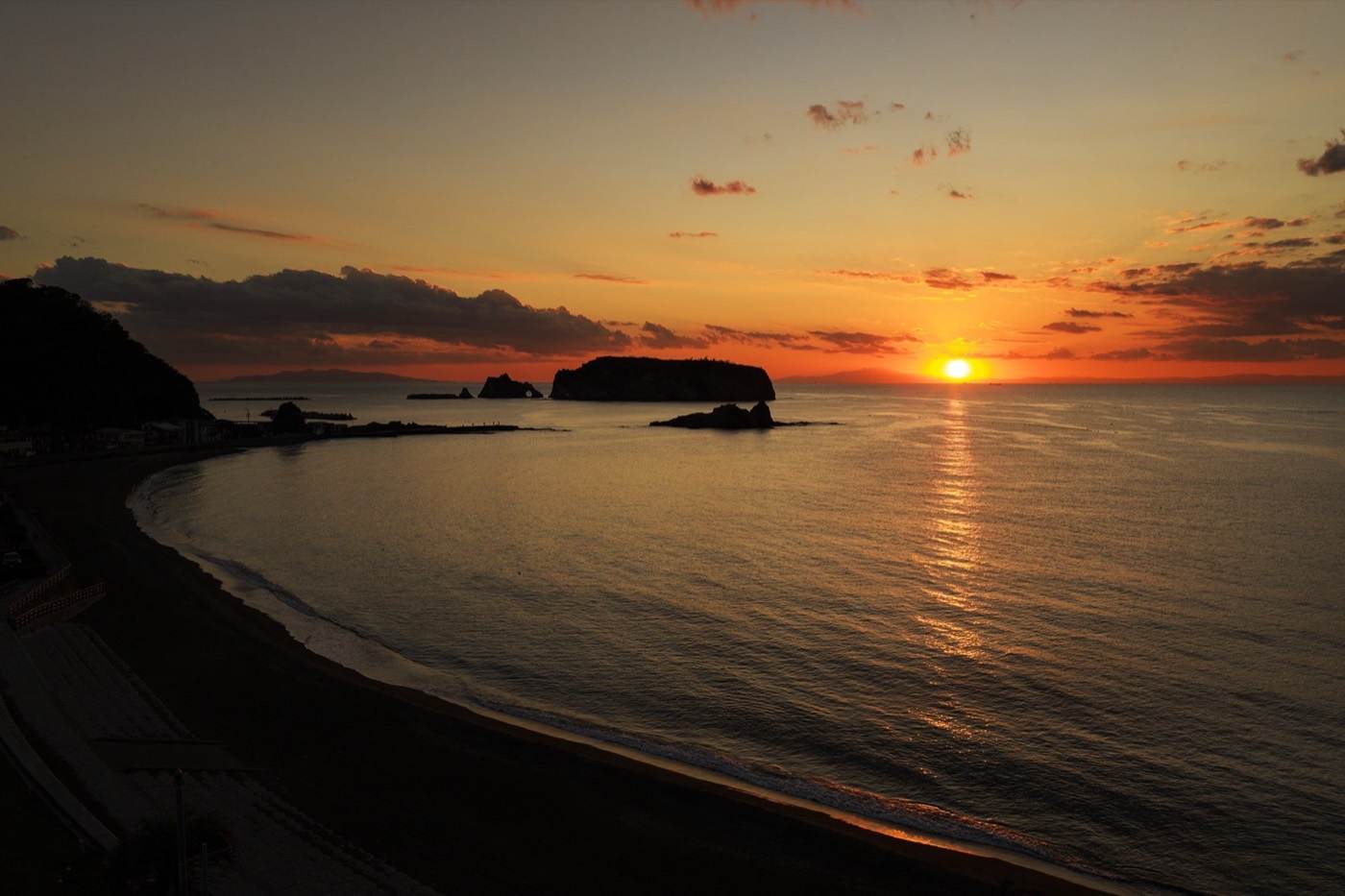
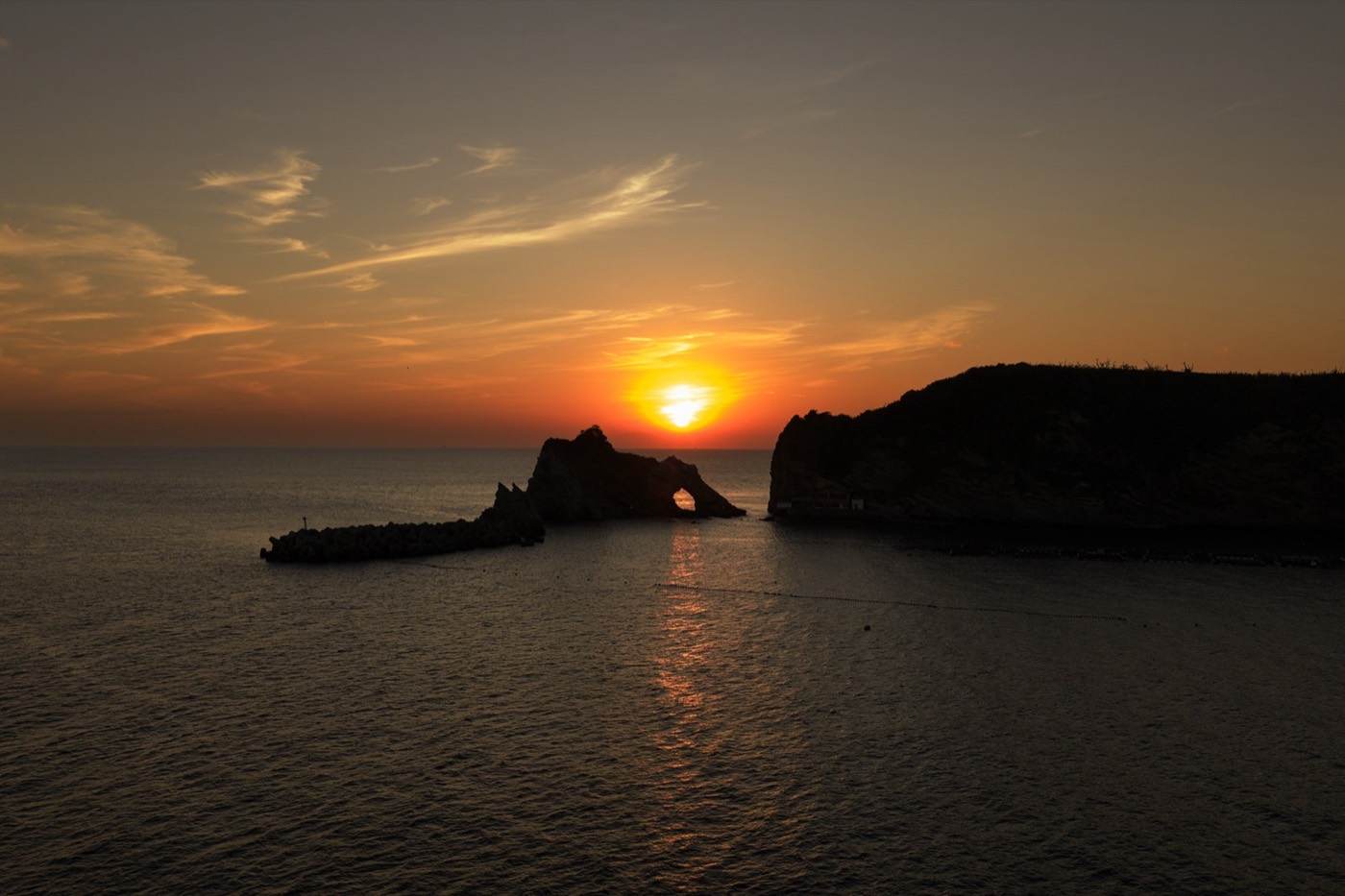
Sunset: because the temple closes at 16:00 and the ropeway's last descent is 17:00 (16:00 in winter), you cannot watch the sunset from the summit. Instead go down to sea level: Kisugaura and Motona beaches at Hota, the deck at Michi-no-Eki Kyonan, Daikokuyama above Katsuyama, or the ferry itself. Arrive 30 minutes before sunset. For the first sunrise of the year the ropeway and the temple gates open at 5:30 on 1 January.
Crowds: the Jigoku Nozoki photo queue is longest on weekend and holiday afternoons; ride the first ropeway at 9:00 or walk the Shariki-michi before 9:00 to have the quarries almost to yourself.
Fees, hours and closures were checked in October 2026 against the official sites of Nihonji Temple, the Nokogiriyama Ropeway, the Tokyo-Wan Ferry, WeGuide NOKOGIRIYAMA, Michi-no-Eki Hota Shogakko, Kyonan Town and Chiba Prefecture. Please confirm current details before your visit.
The booking site is in Japanese; your browser's translation function can be used.